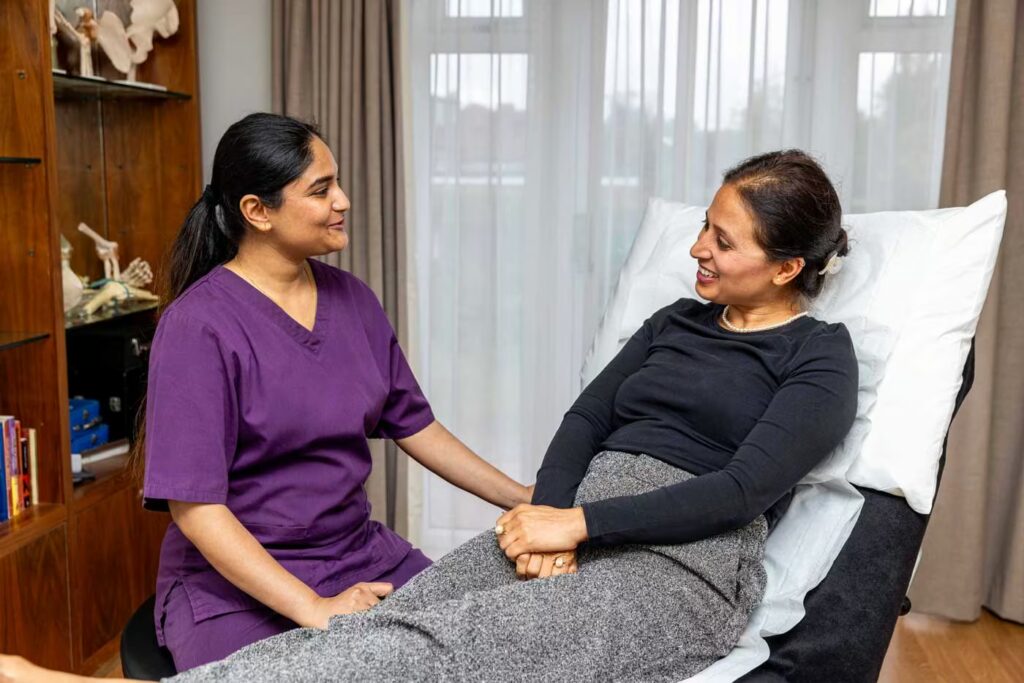
Osteopathy, Physiotherapy & Wellbeing in Leeds
Expert practitioners providing personalised, evidence-based care to help you feel your best.
Good Health in Good Hands
You can trust that you’re in good hands with all our experienced, registered practitioners and that you’re one step closer to good health outcomes when you walk through our front door.
Diverse breadth of healing disciplines
Experienced, registered practitioners
Welcoming, accessible facilities
Served our community since 1993
Convenient booking
and same-day availability
Integrated, multi-disciplinary approach
Serving our community for over 30 years
Unique patients treated
Appointments serviced to date
Practitioners providing excellent care
Years of combined clinical experience
Excellent patient reviews
Serving our community for over 30 years
Unique patients treated
Appointments serviced to date
Practitioners providing excellent care
Years of combined clinical experience
Excellent patient reviews
Our practitioners have expertise spanning a variety of treatment disciplines
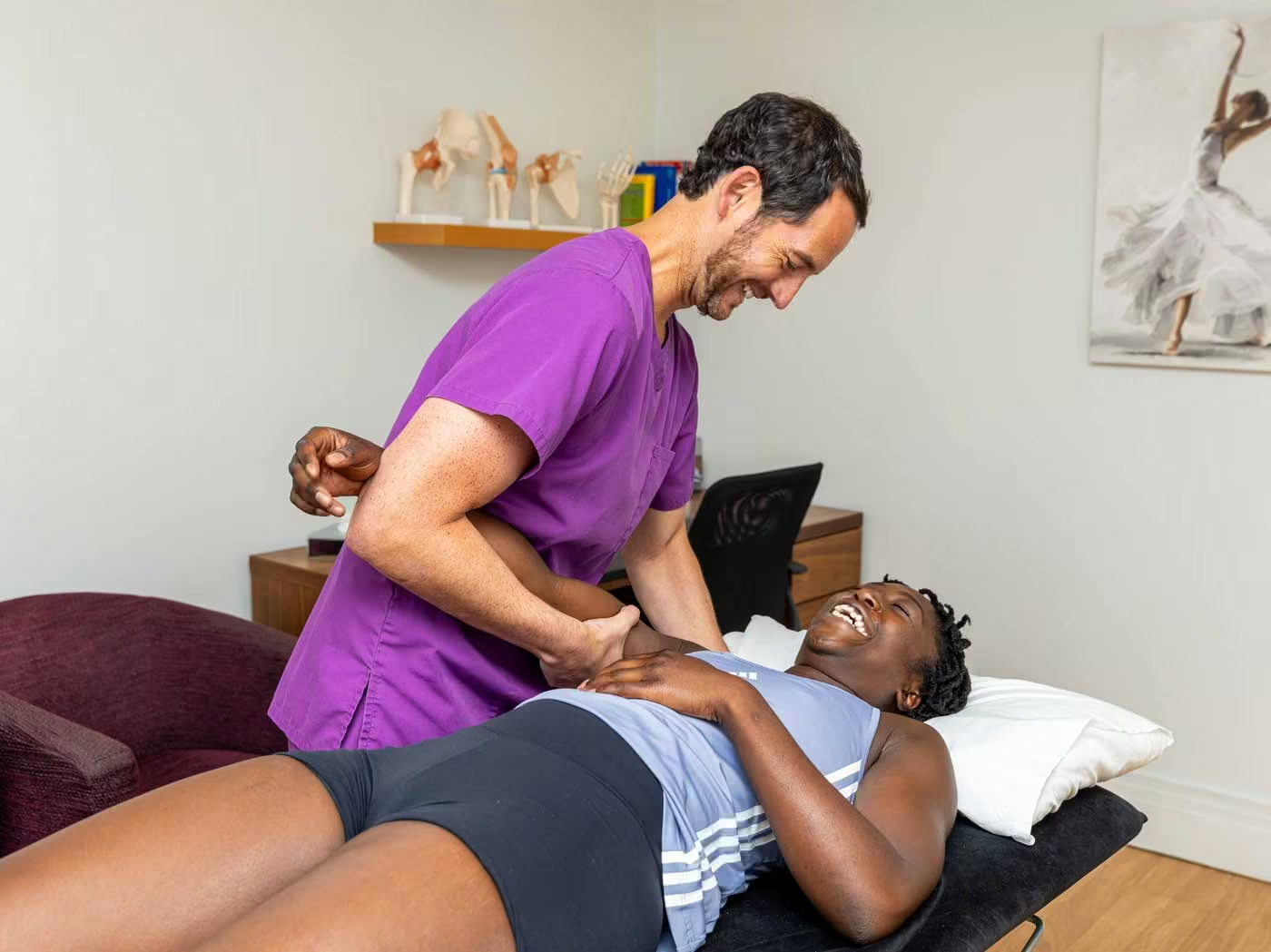
We treat a variety of conditions
We take an integrated approach to healthcare
We take a holistic, whole-body approach, looking at how different parts of the body affect each other, to identify and treat the root cause of the issue you’re facing. Our highly qualified practitioners work together as a multi-disciplinary team, providing you with a truly integrated treatment plan.
Our approach
- Listen: We dedicate time at the beginning of your treatment journey and at every appointment to better understand you and your health concerns
- Assess: We use a variety of clinical tests and conduct a comprehensive assessment to understand the root-cause of the issue you’re facing
- Diagnose: We share and explain our findings, along with the potential outcomes of treatment options
- Plan: We develop a personalised treatment plan just for you that may include complementary therapies available at our multi-disciplinary clinic
- Treat: We will treat with care, guiding you every step of the way
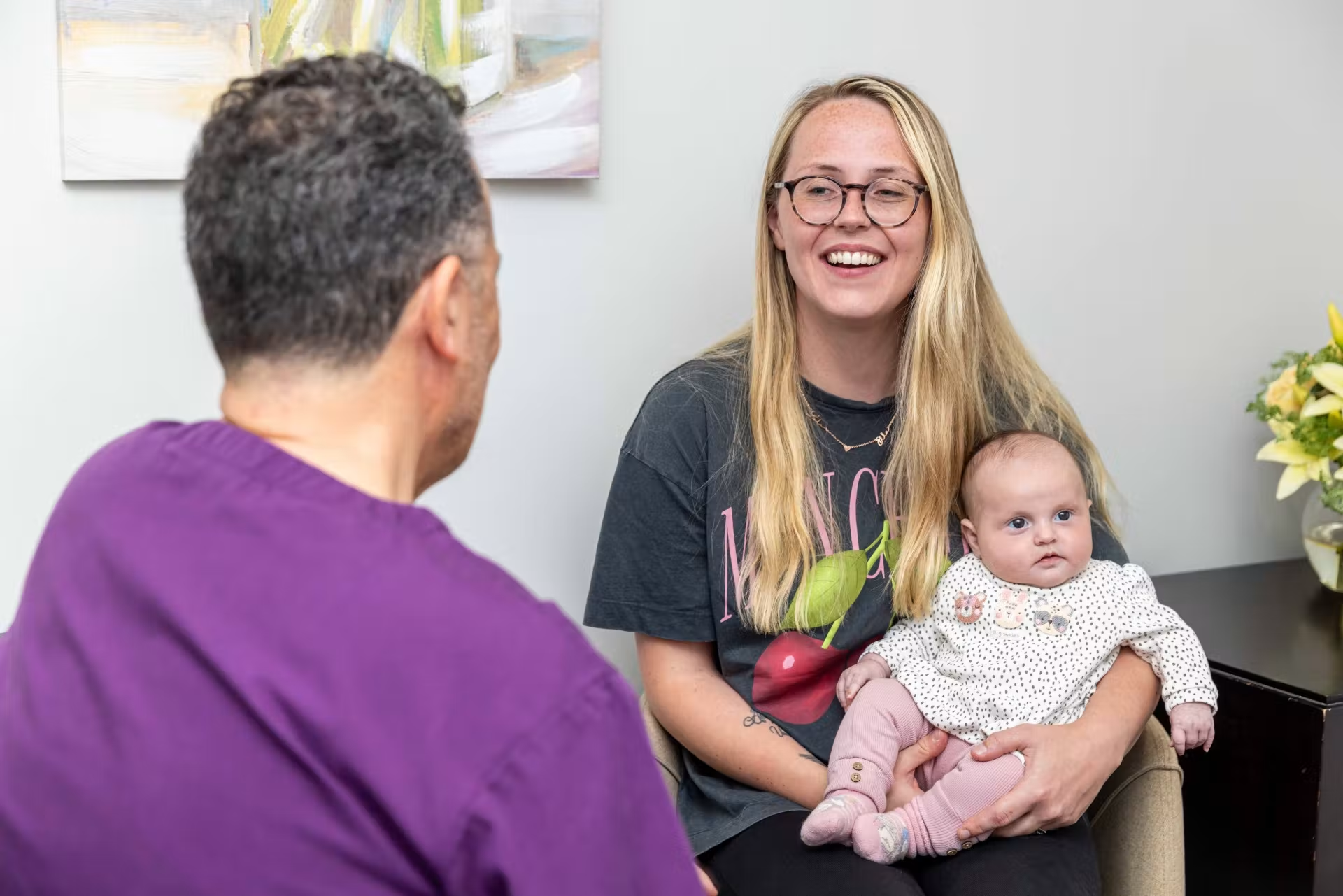
Trusted by Our Leeds Community
EXCELLENT Based on 565 reviews
 Posted on Google
 Ferigonzalezi FerigonzaleziDear friends 🌷 From the very beginning, the warm and calm environment, as well as the respectful and friendly attitude of the staff, gave me a wonderful feeling. 🌿 And I would proudly like to express my special thanks to Ms. Ghazaleh Vahedi, a very knowledgeable, professional, and caring physiotherapist. Her positive words, patience, and healing hands helped reduce, session by session, the pain and discomfort that had been with me for nearly 25 years, to a significant extent. 🙏🏻💚 From the bottom of my heart, I am grateful to her for her knowledge, skills, and the care and attention she showed throughout my treatment. I confidently recommend her to friends and anyone who is looking for a professional and caring physiotherapist. 🌸 With heartfelt thanks, FarshadPosted on GoogleLee DavisonI recently visited the Good Health Centre because I have knee pain and saw Simon, who is an osteopath. I was really impressed with the whole experience. Simon took the time to assess my knee and explain what was causing the problem in a clear way. He was very knowledgeable and I came away with some really useful advice on managing the problem, including exercises and stretches to help with my recovery. I’m very pleased with the advice and treatment I received and would definitely recommend the Good Health Centre.Posted on GoogleColette LightfootI came to see Ghazaleh the senior physio and I could not recommend my experience more! I had sciatic pain for years and it turns out it was a tight piriformis muscle. I was well informed of my condition, had acupuncture at all my appointments and was given clear exercises to do. I had my final follow up appointment today and have been discharged with all my problems resolved. Thank you 🙏🏼Posted on GoogleRhino RockHi I recently attended the Good Health clinic due to some severe knee pain that I was experiencing. Other members of my family had been to the clinic previously and had always received very good treatment. The person I saw in the clinic was Sebastian. I felt that the appointment with Sebastian was significantly different when compared to seeing my GP. Sebastian was very attentive throughout and listened to all my history and issues. He also asked me questions which were relevant to my knee pain to help him decide what type of treatment would be appropriate for myself. Even during my first appointment, Sebastian carried out some Osteopathy treatment to help relieve my pain. I have since been for a second treatment. I would recommend this clinic and Sebastian to anyone experiencing knee pain issues.Posted on GoogleFed HatComfortable space. Person centred and understanding of concerns. Recommendations provided have been useful and practical. Thank you to osteopath Ben for his kind, professional and effective support.Posted on GoogleS HartleyBen was really thorough in his assessment - he took time to listen properly, ask thoughtful questions and make sure he really understood what was going on, rather than taking my self-diagnosis too seriously (thankfully!). He is a very warm, personable and professional practitioner and I highly recommend him. All the staff at the practice were extremely helpful and friendly - overall a very good experience.Posted on GoogleMarc OGhazaleh did a terrific job helping with my back. Very professional. I would recommend for anyone needing physio treatment.Posted on GoogleJean SimmonsOn going physiotherapy with Peyman. He is pleasant, welcoming, and very professional. He explains everything and spends time listening with sympathy and understanding.Posted on GoogleSHEILA LATHAMI had a wonderful experience from start to finish and am very pleased. I highly recommend GhazalehVerified by TrustindexTrustindex verified badge is the Universal Symbol of Trust. Only the greatest companies can get the verified badge who has a review score above 4.5, based on customer reviews over the past 12 months. Read more
Why choose us?
- Fully qualified and registered osteopaths, physiotherapists, and other experienced practitioners
- Diverse breadth of healing disciplines across 20+ practitioners
- Integrated, multi-disciplinary treatment protocol, all under one roof
- Over three decades of experience at our Leeds-based clinic
- Welcoming and accessible facilities fit for all patients
- Convenient booking with availability on weekdays and Saturdays, allowing for prompt delivery of treatment